Roofing in Bloomington, MN
Bloomington roofing — Minnesota Valley neighborhoods, honest estimates.
Silver Loon covers Bloomington (Hennepin County): roof replacement, repair, storm damage, and ice dams. Based in Central Minnesota.
The July 2025 storms hit Bloomington with golf-ball hail and 70-mph gusts — the kind of event that puts real stress on roofs that were already carrying 20 or 25 years of Hennepin County weather. If you are on Old Shakopee Road or in one of the postwar neighborhoods east of Penn Avenue, your roof absorbed that hit without anyone on the ground knowing what it did to the mat underneath.
Bloomington has more 1950s and 1960s homes than almost anywhere in the metro — solid construction, but attic assemblies that were not built for current Minnesota insulation standards. Ice dam season hits those roofs harder than newer homes. If you have had ceiling stains after a hard January, that is the roof telling you the attic is doing what it was built to do — just not well enough for today's energy reality.
About Bloomington, MN
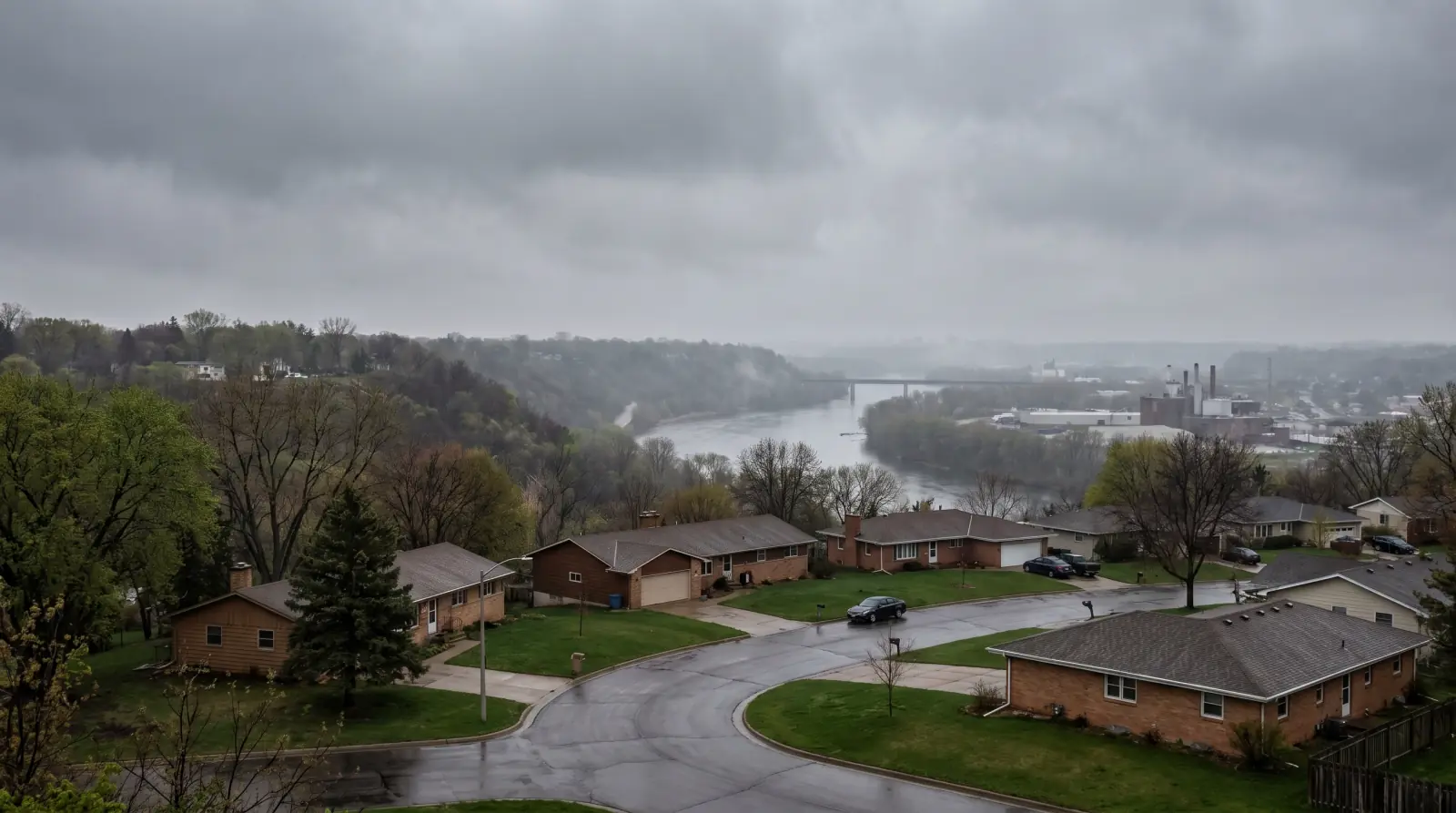
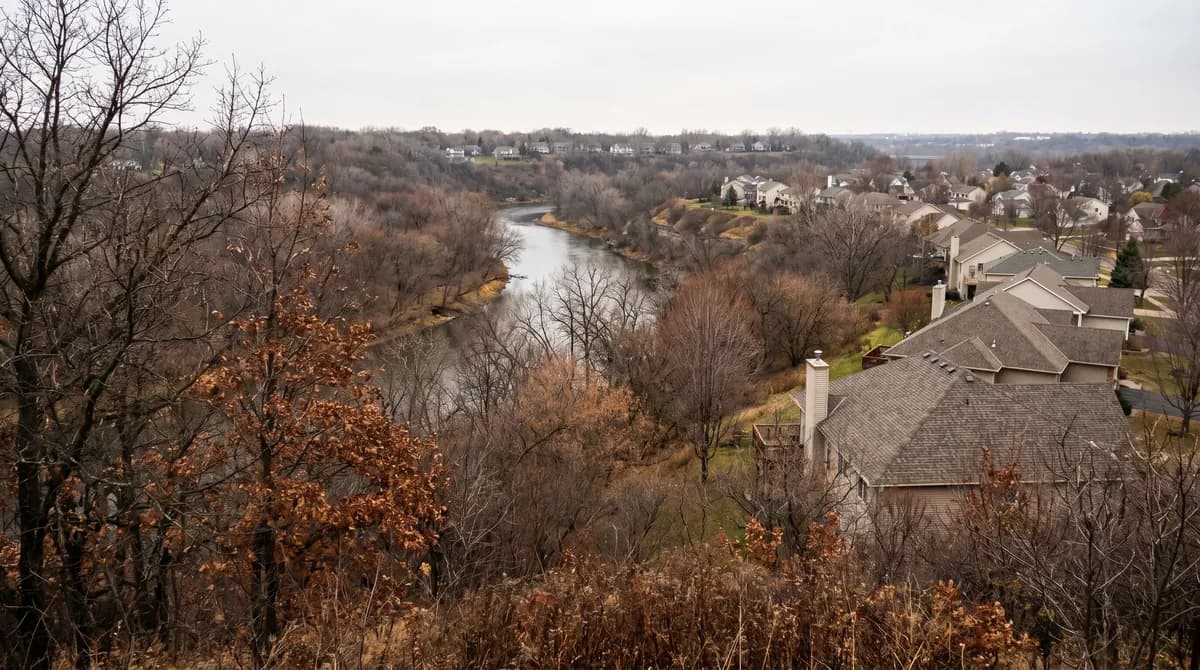
Bloomington sits at the southern edge of the Twin Cities metro where the Minnesota River valley cuts a wide corridor between the bluff neighborhoods and the open floodplain below. The Minnesota Valley National Wildlife Refuge runs along that southern boundary — 14,000 acres of river bottom, marshland, and hardwood forest that begins a few blocks from residential streets in the city's oldest neighborhoods. The Mall of America, just off I-494 at 24th Avenue South, anchors the city's commercial identity, but for roofing purposes the more relevant geography is the open river corridor to the south. Storms that track northeast across the Minnesota River plain reach Bloomington without the buffer of intervening terrain, and the elevation change from the valley floor to the bluff neighborhoods concentrates wind gusts in ways that matter when specifying materials.
Bloomington is a city of about 88,000 residents, with projections near 90,000 by 2026. It draws households that want metro access — I-35W and I-494 both cut through — without the density of Minneapolis proper. The school district and the park system are the primary draws for families. Neighborhoods near Old Shakopee Road, Penn Avenue, and the 98th Street corridor each have their own character, but they share a practical homeowner culture: people who bought here for the commute and the schools are not the type to let a slow roof leak run another winter season.
Housing stock and market
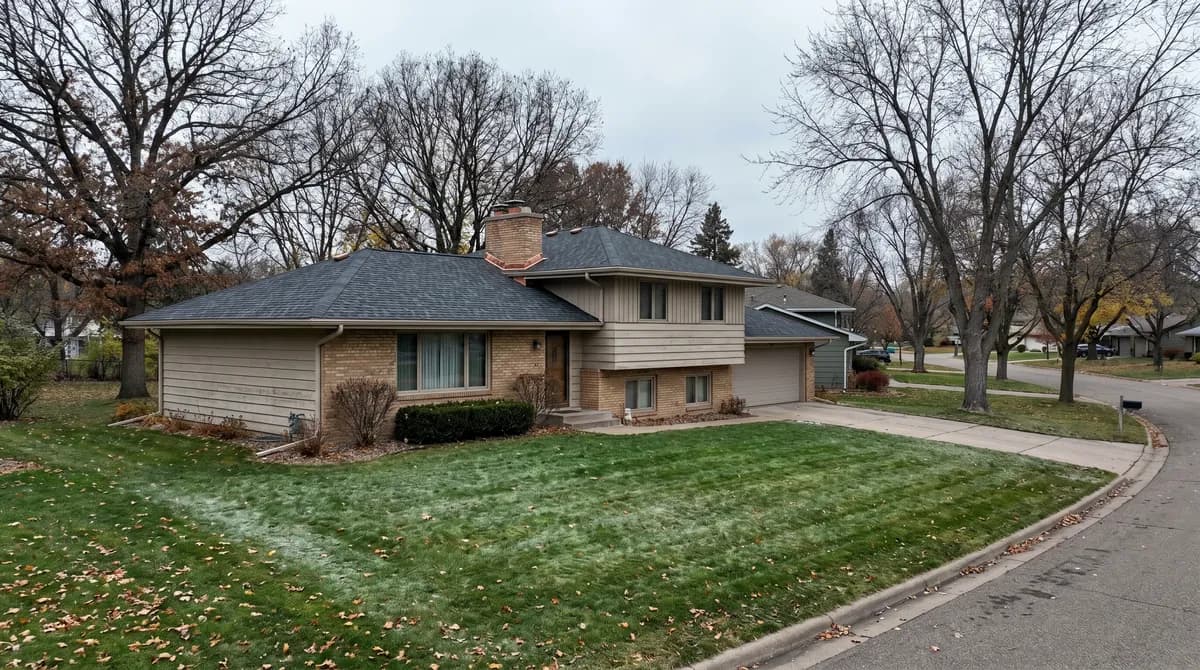
Bloomington's housing stock reflects the full arc of postwar suburban development. The blocks nearest the Minnesota River and the older commercial corridors carry 1950s ranch homes — low-pitch roofs on compact footprints where snow accumulates readily and attic insulation often falls short of current Minnesota code. The central neighborhoods built through the 1960s and 1970s added two-story colonials and split-levels on larger lots with established trees that increase debris load on any roof during storm events. Developments from the 1980s through the 1990s pushed outward toward the I-494 corridor with more varied geometry — hip-and-valley plans that shed water well but create more flashing points that require maintenance over time.
Median home values across Bloomington run between $350,000 and $416,000 depending on neighborhood and property type, with newer townhome clusters near the 169 interchange at the upper end. That value range matters in roofing decisions: a home at $380,000 with an aging 20-year shingle roof carries real deferred maintenance risk. Homeowners in this market typically prefer a clear written estimate and a timeline they can plan around, not a verbal quote and a crew that shows up when the schedule permits. We operate accordingly.
Weather and roof realities in Bloomington
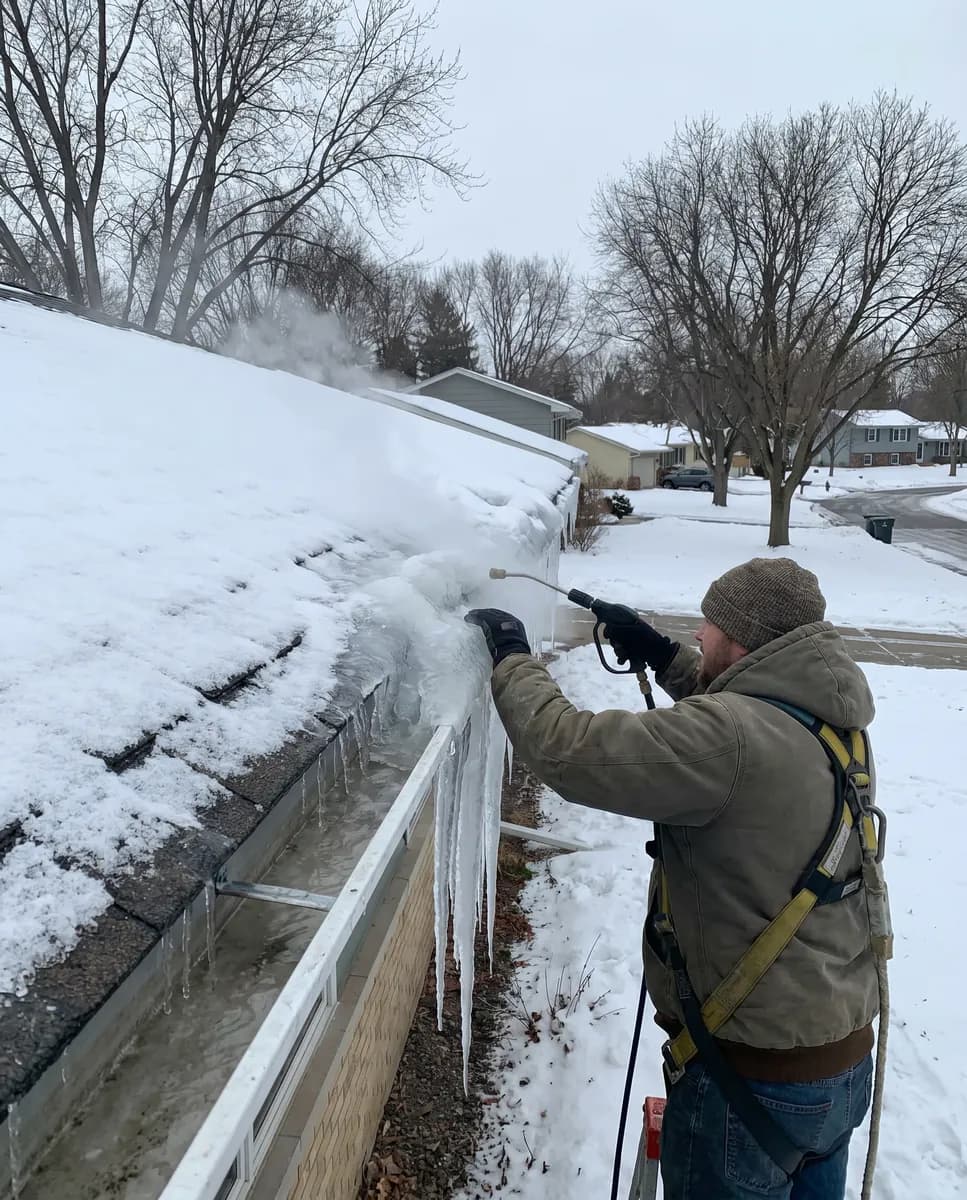
Bloomington averages 52 inches of annual snowfall, and the season runs from November into late March in most years. The freeze-thaw cycles that drive ice dam formation are relentless: temperatures cross the 32-degree mark multiple times in a single week during January and February, which is exactly the condition that allows melt water to run down a warm roof slope, hit a cold eave overhang, and refreeze into a dam. Homes built in the 1960s and 1970s are the most exposed — construction standards of that era allowed attic insulation levels that are inadequate by current code, and the heat loss through those decks is enough to keep the roof surface above freezing even when outside temperatures stay well below it. Once a dam builds and water backs up behind it, it finds every gap: a short ice-and-water-shield termination, a failed step flashing at a dormer, an unsealed nail penetration. The damage shows up as a stain on the ceiling, but the structural problem is in the attic.
The Minnesota River valley corridor along the city's southern edge creates measurable wind exposure. The open floodplain does not slow incoming storm fronts the way developed terrain does, and homes near the wildlife refuge boundary, along Old Cedar Avenue, and on the bluff streets above the river see higher gusts than neighborhoods further north. Wind gusts of 70 mph were recorded in Bloomington during 2025 severe thunderstorm warnings — events that also produced golf ball-sized hail across the area. Hail that size hits asphalt shingles at velocities the granule layer cannot fully absorb. The mat underneath bruises or cracks even when the surface looks intact to the eye, and that hidden damage shortens the roof's serviceable life by years. Impact-resistant Class 4 shingles are worth specifying on any Bloomington replacement, both for the protection and for the homeowners insurance discount they can qualify for under Minnesota policies.
Tornado warnings reached the Bloomington area multiple times in 2025. The city sits in a corridor where storm cells intensify as they move northeast across the river valley, and the open terrain south of I-494 offers little to disrupt rotation that forms over the Minnesota River floodplain. Straight-line wind damage and hail are the more consistent annual threats, but any homeowner near the valley edge should have a clear picture of what their current roof can handle. We inspect suspected storm damage on a same-day or next-morning basis after major events in the Bloomington area, document before the adjuster arrives, and walk the inspection with your insurer to make sure nothing gets missed or assigned below replacement cost.
Residential Services
Roofing services in Bloomington
We offer the full residential menu from our Central Minnesota base — the same crew, the same standards, across all 43 Minnesota cities we serve.
Replacement in Bloomington
Full residential roof replacement with architectural shingles, metal, or specialty…
Replacement in Bloomington→Repair in Bloomington
Targeted roof repairs for Minnesota homes and cabins — leak diagnosis, flashing re…
Repair in Bloomington→Storm Damage in Bloomington
Hail and wind damage assessment, insurance claim support, and full restoration for…
Storm Damage in Bloomington→Get in Touch
Contact Silver Loon Roofing — Bloomington
- Serving
- Bloomington, MN (Hennepin County)
- Phone
- (970) 555-0199
- Hours
- Mon–Fri 7 am – 6 pm
Sat 8 am – 2 pm
Dispatched from our Central Minnesota home office along the Rum River
Nearby areas we serve from Bloomington
- Richfield
- Edina
- Eden Prairie
- Burnsville
- Eagan
Need roofing work in a nearby town? Request a free estimate — we cover the surrounding area without a travel surcharge.
Common Questions
Frequently asked questions — Bloomington
Ready for a straight-talk roof estimate in Bloomington?
We inspect, document, and give you a written line-item estimate before any work starts. No pressure, no surprises.