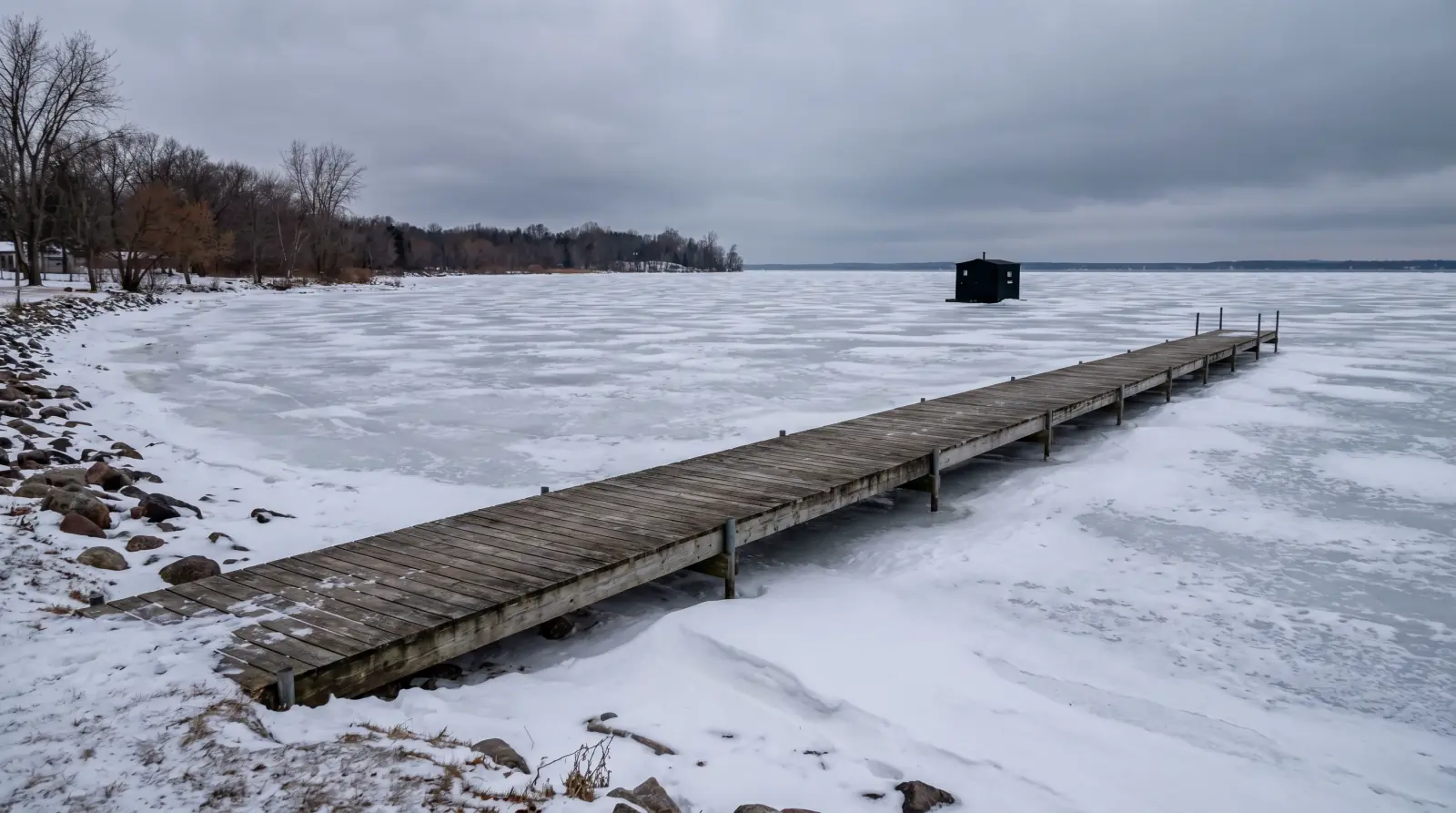
Roofing in Mille Lacs Lake Area, MN
Walleye capital · Mille Lacs County
Silver Loon covers Mille Lacs Lake Area (Mille Lacs County): roof replacement, repair, storm damage, and ice dams. Based in Central Minnesota.
Mille Lacs Lake is 132,000 acres with a 14-mile northwest fetch — which means storms that build across open water arrive at the north and east shores with nothing to slow them down. For seasonal cabin owners in Garrison, Isle, and Onamia, the question after any significant storm is the same: what did it do to the roof while no one was there to see it?
A cabin that sits empty from October through May accumulates a full Minnesota winter of snow load, ice dam pressure, and freeze-thaw cycling with no one on-site to notice early warning signs. By the time you arrive for spring opening, a small problem from the previous November has had five months to become a large one. We schedule spring opening inspections for Mille Lacs cabin owners and document with photographs so owners who are not local have a clear record of what was found and what was done.
About the Mille Lacs Lake area
Lake Mille Lacs covers 132,516 acres — 14th largest lake by surface area in the United States — and the communities that ring its south and east shores exist almost entirely because of the water. Garrison sits at the northwest curve of the south shore, marked by the giant fiberglass walleye statue at the stone concourse entrance — a fixture for anyone who has driven US-169 along the lakeshore. Isle anchors the southeast shore. Onamia, slightly inland to the south, serves as the commercial center for the area and home to the Mille Lacs Band of Ojibwe reservation and Mille Lacs Indian Museum. Wahkon sits between Isle and Onamia on the east side. Together these communities form a service area of roughly 2,100 year-round residents — a number that swells considerably on summer weekends and during the walleye opener each May, one of the most attended fishing events in Minnesota.
The economy here is fishing, resort, and casino tourism, with the Grand Casino Mille Lacs in Onamia drawing visitors year-round. Mille Lacs Kathio State Park on the southwest shore adds hiking, canoe routes along the Rum River headwaters, and some of the oldest known human habitation sites in Minnesota — the Kathio archaeological sites date back more than 9,000 years. For residents and cabin owners, the lake defines the calendar: ice fishing season from January into March, open water from May through October, and a shoulder season on both ends when the weather turns unpredictable in ways that put roofs to the test.
Housing here divides sharply between year-round homes — modest single-story construction that was built to be lived in through Minnesota winters — and the seasonal cabin stock that ranges from 1950s-era fishing shacks to newer lake homes with full amenities. Median home values cluster between $200,000 and $325,000 for year-round properties, but lakefront cabin values vary widely depending on shore footage, water depth, and how recently the structure was updated. Cedar shake has been the traditional choice for cabin roofing in this area for decades, and while many properties still carry it, the maintenance cost and insurance implications of aged cedar have pushed more owners toward metal and architectural asphalt on replacement projects.
Housing stock and seasonal property realities
The split between year-round and seasonal ownership creates roofing situations you don't encounter in the suburbs. A cabin that sits unoccupied from November through April accumulates the full winter's snow load without anyone inside to notice when a rafter is under stress, a sheathing seam is wicking moisture, or an ice dam has backed water under a valley flashing. By the time the owners arrive in May, the ceiling stain is already there and the damage has been progressing for months. We see this regularly on properties along the south and east shores, and the pattern is consistent: deferred inspections combined with cabins that were re-roofed 15 to 20 years ago with materials suited for a different era of Minnesota weather.
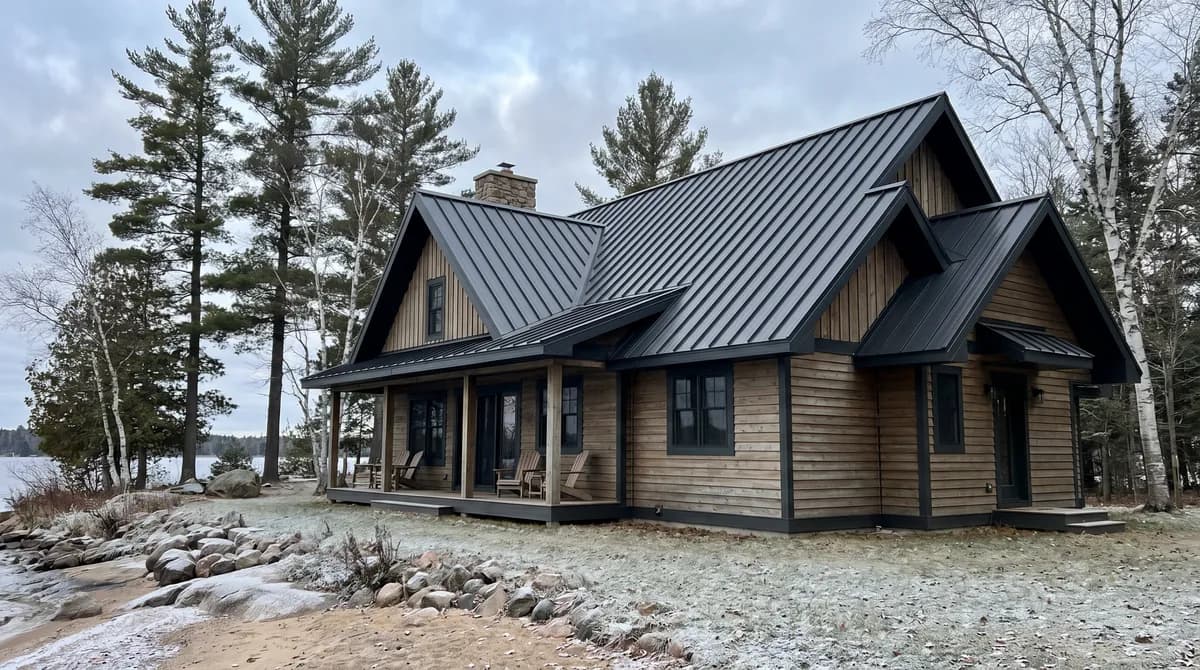
Cedar shake cabins deserve particular attention on Mille Lacs. Cedar is a genuine roofing material with real performance advantages — it handles freeze-thaw cycling well and provides a level of insulation that asphalt does not — but it requires maintenance that seasonal owners often defer. Moss, lichen growth, and moisture retention accelerate deterioration from the underside of the shake, and the open-lake exposure on the south shore speeds weathering on north-facing slopes that rarely dry fully between rain events. We assess cedar shake roofs honestly: where the material still has serviceable life and the structure underneath is sound, we say so. Where the shake has rotted through at the butt ends or the sheathing below is compromised, a replacement conversation is the right one to have, and standing seam metal has become a practical choice for lake cabins that owners want to stop thinking about for another 40 years.
Insurance on seasonal-use properties adds complexity that does not exist on primary residences. Some policies require occupancy riders, limit storm claim eligibility during unoccupied periods, or apply separate deductibles for wind versus hail. When storm damage hits a cabin on Mille Lacs, thorough pre-adjuster documentation is not optional — it is what keeps a legitimate claim from being reduced on occupancy grounds. We photograph every affected surface, note wind direction evidence in the damage pattern, and provide a written scope before the adjuster walks the roof.
Weather and roof realities on Mille Lacs
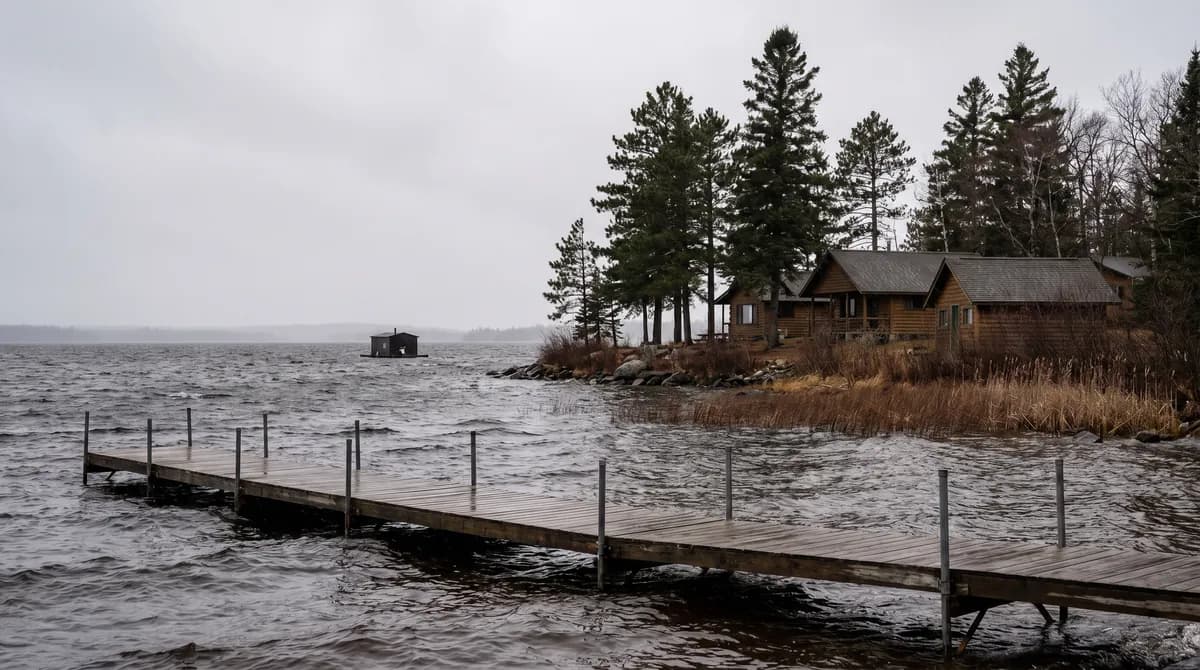
The open fetch across Lake Mille Lacs is the defining weather factor for south-shore roofing. The lake stretches roughly 14 miles north to south and 18 miles east to west. Northwest prevailing winds build across that full distance before arriving at Garrison and Isle with momentum that an inland location 15 miles south would never see. Sustained winds in the 30 to 45 mph range are routine through the shoulder seasons, and gusts during severe weather events routinely exceed 60 mph on the south shore. That sustained exposure does specific damage: it lifts unsealed shingle tabs on wind-facing slopes, stresses ridge cap nailing patterns, and drives wind-blown rain under eave courses where the ice-and-water shield terminates. Materials specified for inland locations need to be upgraded for the lake exposure — higher wind-rated underlayment, sealed ridge systems, and ring-shank nails on the decking below.
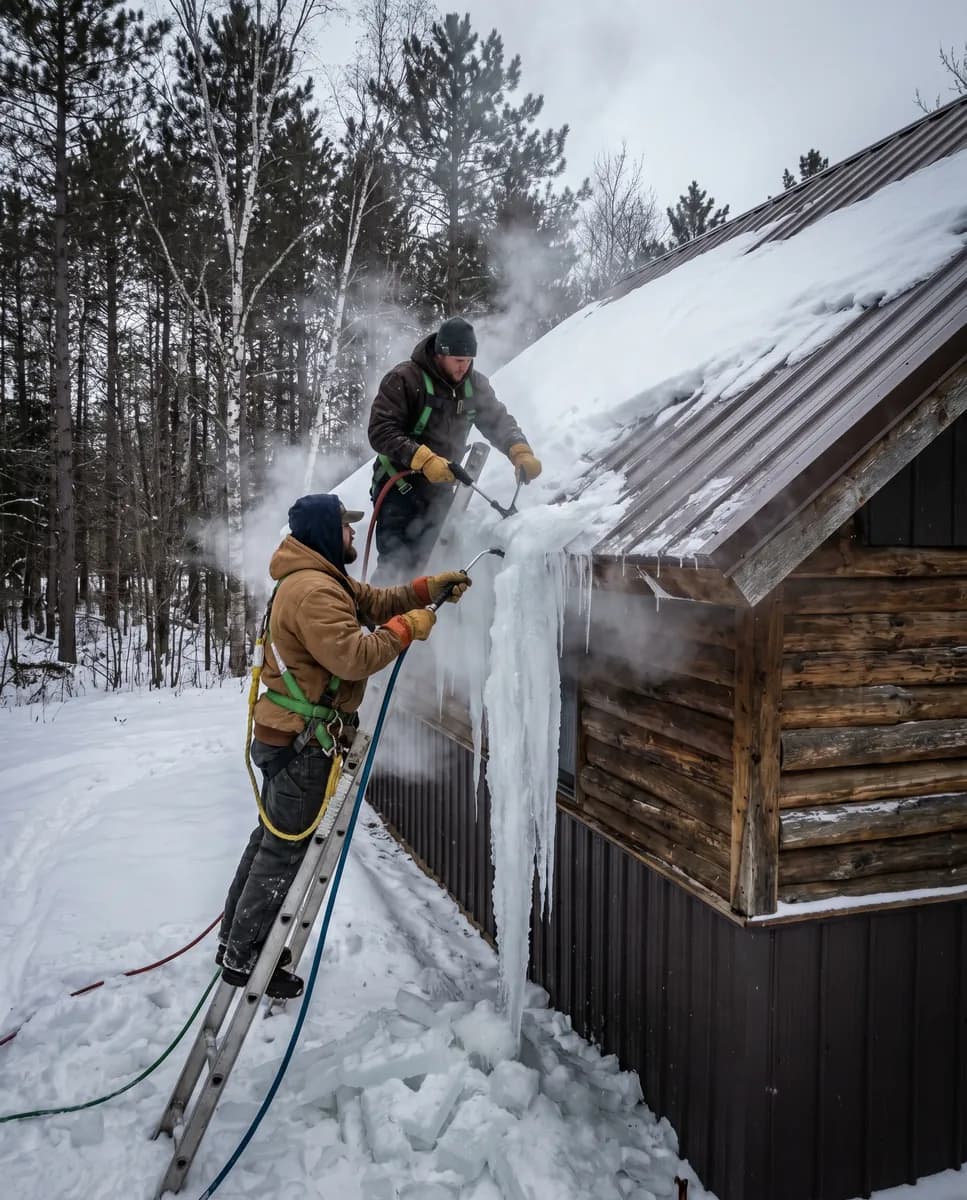
Annual snowfall averages 44 inches across the Mille Lacs area, and the lake-effect component adds moisture loading that does not show in the regional average alone. Ice dam season runs from late December through February in most winters. Year-round homes with interior heat loss are the classic ice dam risk — attic heat escapes through the deck, melts snow on the upper slopes, and the meltwater refreezes at the cold eave overhang. Seasonal cabins present a different problem: without interior heat, the entire roof surface stays cold, which actually inhibits the classic dam mechanism. The risk shifts instead to spring thaw, when 40-plus inches of accumulated snow on a low-pitch cabin roof begins melting all at once and the volume overwhelms ice-and-water shield that was not installed wide enough — or was not installed at all on older structures. We size the shield installation to the actual eave overhang width plus at least 24 inches inside the warm wall line on every Mille Lacs project, not to the minimum code requirement.
Hail is a consistent summer hazard. EF0 and EF1 tornadoes struck near Onamia in 2019, and the open lake terrain gives storm cells little friction as they cross the water and reach shoreline properties. Severe thunderstorms in late May through August can move northeast across the lake with minimal warning time for shore communities. After any significant event we can inspect the following business day, document damage before the adjuster visit, and provide the written scope your insurer needs to process the claim. We pull permits through Mille Lacs County, coordinate with the county inspectors, and handle the paperwork end-to-end so the cabin owner does not have to manage the process from a distance. If you are not local, that matters.
Residential Services
Roofing services in Mille Lacs Lake Area
We offer the full residential menu from our Central Minnesota base — the same crew, the same standards, across all 43 Minnesota cities we serve.
Replacement in Mille Lacs Lake Area
Full residential roof replacement with architectural shingles, metal, or specialty…
Replacement in Mille Lacs Lake Area→Repair in Mille Lacs Lake Area
Targeted roof repairs for Minnesota homes and cabins — leak diagnosis, flashing re…
Repair in Mille Lacs Lake Area→Storm Damage in Mille Lacs Lake Area
Hail and wind damage assessment, insurance claim support, and full restoration for…
Storm Damage in Mille Lacs Lake Area→Get in Touch
Contact Silver Loon Roofing — Mille Lacs Lake Area
- Serving
- Mille Lacs Lake Area, MN (Mille Lacs County)
- Phone
- (970) 555-0199
- Hours
- Mon–Fri 7 am – 6 pm
Sat 8 am – 2 pm
Dispatched from our Central Minnesota home office along the Rum River
Nearby areas we serve from Mille Lacs Lake Area
- Onamia
- Isle
- Garrison
- Wahkon
- Vineland
Need roofing work in a nearby town? Request a free estimate — we cover the surrounding area without a travel surcharge.
Common Questions
Frequently asked questions — Mille Lacs Lake Area
Ready for a straight-talk roof estimate in Mille Lacs Lake Area?
We inspect, document, and give you a written line-item estimate before any work starts. No pressure, no surprises.