
Founder of Silver Loon Roofing and the Qualifying Person on its MN DLI Residential Building Contractor license. 35+ years in the trades across Minnesota lake country and central MN, with focused experience on residential roof replacement, insurance-claim storm work, ice dam remediation, and the attic-ventilation fixes that keep ice dams from coming back.
In Minnesota, the right roofing material depends on three things your house dictates: roof pitch, structural load capacity, and how long you plan to own the property. All four signature materials we install hold up in a Minnesota climate; none is a poor choice in the right application. The differences are in lifespan, upfront cost, maintenance burden, and what happens when an ice dam forms — and those differences are significant enough to affect a 30-year ownership decision by $20,000 or more.
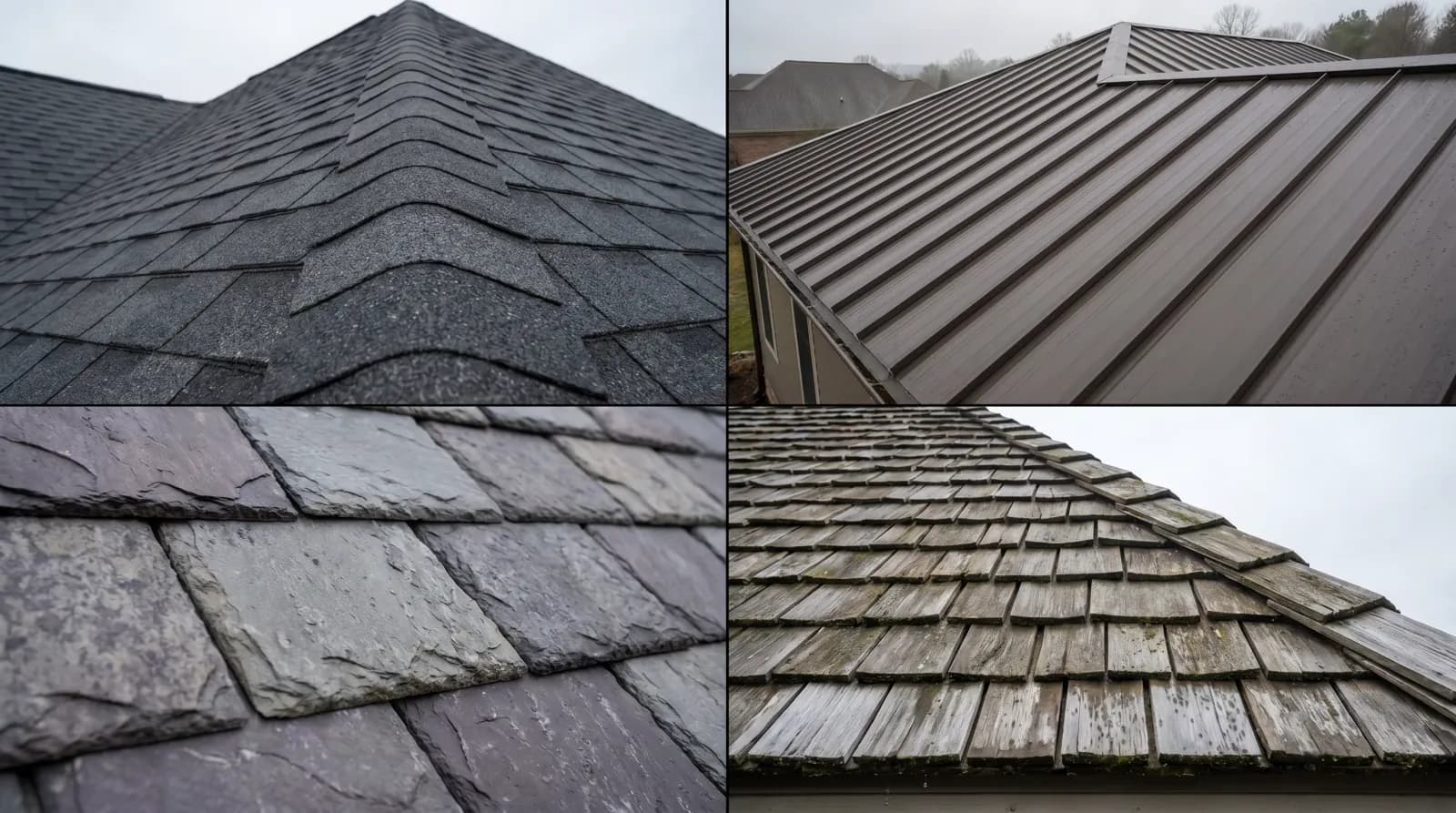
Here is a plain comparison of the four materials we install — GAF Timberline HDZ architectural shingles, standing seam steel, natural slate, and cedar shake — with specific numbers where the data supports them.
The Comparison at a Glance
| Material | Installed cost (typical MN home) | Lifespan (MN conditions) | Wind rating | Ice dam resistance | MN suitability | |---|---|---|---|---|---| | GAF Timberline HDZ | $9,000–$14,000 | 22–27 years | 130 mph | Moderate (with I&W shield) | Excellent | | Standing seam metal | $16,000–$28,000 | 40–60 years | 140+ mph | High | Excellent | | Natural slate | $22,000–$45,000 | 75–150+ years | 110–120 mph | High (dense, low absorbency) | Good (structural limits apply) | | Cedar shake | $14,000–$22,000 | 20–35 years | 90–110 mph | Moderate (requires treatment) | Good (with maintenance) |
Cost ranges reflect a typical 1,800–2,400 sq ft single-story or simple two-story home in central or north-central Minnesota. Steeper pitches, added complexity, and structural reinforcement for slate push totals higher.
GAF Timberline HDZ Architectural Shingles
The baseline for residential roofing in Minnesota — not because it is the default compromise, but because for most homeowners it is genuinely the right answer.
Lifespan in Minnesota
Most architectural shingles marketed as "30-year" products land between 22 and 27 years in Minnesota's climate. The freeze-thaw cycle — temperatures that cross 32°F repeatedly from October through April — is harder on asphalt than steady cold. UV exposure in the summer months accelerates granule loss on south-facing slopes. A 2021 installation in Brainerd or Baxter, maintained with proper attic ventilation and ice and water shield at the eaves, should carry through the mid-2040s without significant issues.
Wind and Hail Performance
The Timberline HDZ is rated to 130 mph wind uplift when installed with six nails per shingle — the standard we follow on all installations. The HDZ's "LayerLock" technology fuses the shingle tabs together after installation, improving wind resistance compared to earlier architectural shingles. For hail, it carries a Class 4 UL 2218 impact rating in SBS-modified versions; the standard HDZ is Class 3. If your carrier offers a discount for Class 4-rated roofing material, the SBS version is worth the modest upcharge.
Ice Dams and the Shield Requirement
Asphalt shingles alone do not stop ice dam water infiltration — the peel-and-stick ice and water shield installed at the eaves and in valleys is what does. Minnesota building code requires a minimum 24-inch coverage at the eave (measured from the inside of the exterior wall), but we run 3–6 feet of coverage as standard, sometimes full coverage in low-slope situations. The shingles matter; the shield underneath matters more.
When It Makes Sense
GAF Timberline HDZ is the right choice when: your home is structurally standard (no reinforcement needed), you plan to own the home 10–20 more years, your budget is in the $10,000–$14,000 range, or you are selling and want a clean inspection with a fresh manufacturer's warranty. For more on installation specifics, see our GAF Timberline HDZ detail page.
Standing Seam Metal
Standing seam steel is the highest-value long-term investment of the four materials — not because it is cheap upfront, but because the math changes dramatically over 40–60 years.
Lifespan and Lifecycle Cost
A standing seam steel roof installed today on a Brainerd or Nisswa home should outlast the next two or three asphalt re-roofs. At 40–60 years, you are looking at one installation versus two or three. Factor in the cost of a future re-roof — conservatively $16,000–$22,000 in 2035–2040 dollars — and the lifecycle economics of steel start to favor the higher upfront cost for homeowners who plan to hold the property long-term.
Cold-Weather Performance

Standing seam performs exceptionally well in Minnesota winters. The continuous panel design eliminates the horizontal seams where ice dam water can infiltrate — there are no shingle overlaps to work under. Snow sheds off metal roofs faster than asphalt (a real benefit and, depending on the eave situation, something to plan for), and properly installed metal is not materially affected by freeze-thaw cycling the way asphalt is.
What Limits It
The primary constraint is upfront cost. At $16,000–$28,000 for a typical home, standing seam steel requires a longer ownership horizon to pencil out. For a homeowner planning to sell in five years, it rarely makes financial sense. The other consideration is pitch: standing seam works on slopes from about 3/12 upward; very low-slope situations require a different panel profile or system.
One note on noise: the idea that metal roofs are loud in rain is largely a myth for properly installed residential applications with solid decking and underlayment. A finished metal roof on a typical Minnesota home is not meaningfully louder than asphalt shingles.
For detail on standing seam panel specifications, see our standing seam metal detail page.
Natural Slate
Slate is the only roofing material we install that is genuinely permanent — when properly sourced and installed, a slate roof can last 75 to 150 years or more. The tradeoff is structural, material, and cost.
Weight and Structure
Natural slate runs 700–1,500 lbs per roofing square (100 sq ft) depending on thickness. Most modern Minnesota homes — framing built to current codes — are not designed to carry this load without assessment. Before any slate project, the structural framing has to be evaluated by an engineer or experienced framing contractor. Older homes, especially those with steep-pitch designs common in older Minnesota downtown neighborhoods, may already have the framing to support it. Newer construction typically needs reinforcement, which adds to the project cost.
Minnesota Climate Behavior
Slate absorbs very little water — dense, non-porous stone from Vermont or Pennsylvania quarries typically has an absorption rate under 0.4% by weight. This low absorption means freeze-thaw cycling does very little damage to the material itself. What damages slate roofs is not the slate — it is the copper or stainless steel nails, the flashings, and the underlayment failing beneath sound slates. A well-maintained slate roof in Minnesota can outlast two generations of the house's other components.
Hail Is the Real Threat
Hail is the primary risk for slate in Minnesota. A direct hit from 1.5-inch or larger hail can fracture individual slates, and large hail events — the kind that move through the Twin Cities and north-central MN from May through August — can damage slate as easily as asphalt. Unlike asphalt, a few cracked slates can be replaced individually without disturbing the surrounding material. That replaceability is part of the long-term appeal.
When It Makes Sense
Slate makes sense for historic homes in architecturally significant neighborhoods where matching the original material matters, for homeowners with the appropriate structural framing (or willing to invest in it), and for owners with a genuine long-horizon ownership plan. See our natural slate detail page for sourcing and installation specifics.
Cedar Shake
Cedar shake is the most aesthetically distinctive of the four materials — hand-split red cedar ages from warm honey to silver-grey over 5–10 years, and in the lake country around the Whitefish Chain and Gull Lake it suits the cabin vernacular like nothing else. The tradeoffs are maintenance and lifespan.
Lifespan and the Maintenance Commitment
Cedar shake in Minnesota lasts 20–35 years, with meaningful variation based on how the roof is maintained. Cedar requires periodic treatment with a preservative or fungicide — every 5–7 years in most climates — to resist the moss, lichen, and wood-rot that accelerate in Minnesota's freeze-thaw-and-wet springs. A cedar roof that gets no treatment in a shaded north-facing situation can deteriorate in 15 years. A maintained cedar roof on a well-ventilated steep-pitch in a sunny exposure will reach 35.
Ice Dam and Water Behavior
Cedar shake breathes — the natural variability in thickness creates small gaps between courses that allow some moisture movement. This is by design and not a defect, but it does mean ice dam water that infiltrates at the eave can find channels through a shake roof more easily than through a properly installed asphalt system with solid ice and water shield. Modern cedar shake installations use synthetic underlayment and extend the ice and water shield zone to compensate.
Wind Rating Considerations
Cedar shake wind ratings vary by installation method and profile. Hand-split and resawn shake installed to standard achieves 90–110 mph wind resistance — lower than asphalt or metal. In the open-exposure lake country sites where cedar is most popular, this matters. If you are on a point lot on Gull Lake or exposed on a ridge near the Whitefish Chain, the wind rating is a real consideration, and the installation method (exposure and fastening) makes a significant difference.
When It Makes Sense
Cedar shake is a strong choice for lake cabins and lake-country homes where the aesthetic fits and the owner is prepared for the maintenance commitment. It is not the low-maintenance answer, but for the right property and the right owner, nothing else looks like it. See our cedar shake detail page.
Which Material Fits Your Situation
There is no universal answer. Here is a practical framework:
GAF Timberline HDZ — most homes, most situations, budgets under $15,000, ownership horizon under 20 years, standard structure. The durable, practical choice.
Standing seam metal — long-term holders, lake cabins, contemporary architecture, owners who want to stop thinking about the roof for the next 50 years, and any situation where snowshed is acceptable.
Natural slate — historic or architecturally significant homes, confirmed structural capacity, owners with the resources for the upfront cost and a multi-decade horizon.
Cedar shake — lake-country aesthetic properties, owners who understand and accept the maintenance commitment, sites where the aesthetic is a priority.
For most north-central Minnesota homes — a two- to three-bedroom house built between 1970 and 2010 in Brainerd, Baxter, or the Cuyuna Lakes area — the choice is typically between asphalt shingles and standing seam metal, with the decision hinging on ownership horizon and budget.
Frequently Asked Questions
Which roofing material handles Minnesota ice dams best?
Standing seam metal performs best for ice dam resistance because the continuous panel design gives water no shingle laps to infiltrate. Natural slate performs well for the same reason — low water absorption and no horizontal overlaps subject to uplift. Asphalt shingles with proper ice and water shield coverage manage ice dams effectively in most situations; the shield is doing the heavy lifting, not the shingle.
Does metal roofing increase home insurance premiums in Minnesota?
In most cases, metal roofing reduces or maintains insurance premiums, not raises them. Metal's Class A fire rating, high wind resistance, and extended lifespan make it favorable to insurers. Some carriers offer explicit premium discounts for Class 4 impact-rated metal panels. Check with your agent — the discount, if available, can offset part of the cost difference over the policy term.
How do I know if my home's structure can support slate?
The rule of thumb used by framing contractors in Minnesota is whether the existing roof framing was designed for slate-equivalent load. Homes built in the early 1900s in older Minnesota neighborhoods with historic slate were often framed to handle it. Most homes built after 1960 were not. A structural assessment by a licensed engineer or experienced framing contractor runs $300–$600 and is required before any slate project we undertake.
Can cedar shake be installed year-round in Minnesota?
Cedar shake can be installed in most weather conditions, including cool weather, as long as the deck is dry at installation. The primary winter concern is the same as any roofing material — adhesive performance and cold-climate fastening. We install cedar shake spring through fall; winter installations are evaluated case by case.
What is the resale value impact of each material?
Asphalt shingles return roughly 60–70% of their cost in appraised value at time of sale, primarily because a new roof removes a potential inspection contingency. Metal and slate, being higher-cost installations with longer lifespans, often show stronger buyer perception improvement, but quantifying resale return on premium materials is difficult because the buyer pool for homes with slate or metal roofs is smaller. The strongest near-term resale argument is any new roof — material choice matters less than the condition and age of whatever is up there.
Ready to compare specific costs for your home? Use our estimator tool for a rough range, or reach out directly at /contact/ and we will walk through which material makes sense for your property, budget, and ownership timeline. We serve the lake country from Crosby to Brainerd, Nisswa, Crosslake, and the Whitefish Chain.
Founder of Silver Loon Roofing and the Qualifying Person on its MN DLI Residential Building Contractor license. 35+ years in the trades across Minnesota lake country and central MN, with focused experience on residential roof replacement, insurance-claim storm work, ice dam remediation, and the attic-ventilation fixes that keep ice dams from coming back.
More from Jimmy →